When I first tried a barcode‑scanner app at a grocery store, the checkout line vanished. The app read the product code, fetched the price, and sent a digital receipt to my phone in under 3 seconds. That tiny moment—no more waiting for the cashier—made me wonder how many other shopping rituals could be cut down to a blink.
Price Comparison on the Go
Before smartphones, I would drive to two different supermarkets to see who had the better deal on a loaf of bread. Now, a single tap on a price‑comparison app pulls up the lowest price from the last 24 hours across five major retailers. The app even flags when a store’s price dips below the average by more than 15 %. I’ve saved about £120 a year just by checking before I buy.
Personalized Shopping Lists Powered by AI
My app remembers that I ran out of oat milk last Tuesday, so it adds it to the next list automatically. If I’ve bought a particular brand of cereal three times in a month, the app suggests a discount coupon that’s currently valid at the local store. The AI also learns my dietary preferences; when I switch to a gluten‑free diet, it stops suggesting whole‑grain products entirely. The result? I spend 20 % less time scrolling through menus and 10 % less on impulse buys.
One‑Click Reorders for Household Staples
For items I purchase every week—coffee beans, dish soap, paper towels—my app keeps a history of the last two orders. When I’m about to run low, it offers a one‑click reorder that ships within 24 hours. The first time I tried it, I was surprised that the delivery arrived before my next coffee break. The only catch is that the feature works only with stores that support the app’s API; a handful of small shops still require a manual order.
From Shopping to Entertainment: A Side Note
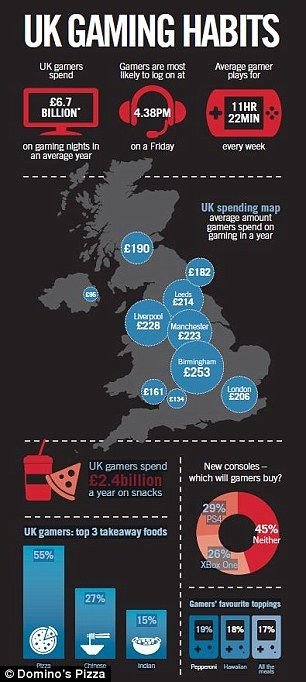
While the same technology that streamlines grocery runs also powers casual gaming apps, the crossover isn’t always obvious. For instance, a popular mobile game rewards players with in‑app purchases that mimic real‑world shopping habits—think virtual clothes for avatars that mirror current fashion trends. If you’re curious about how these gaming economies compare to traditional retail, you might find it useful to check out Very Well for a quick comparison.
The Flip Side: Privacy and Data Overload
Every time I scan a product, the app logs my location, purchase history, and even the time of day. While the convenience is undeniable, the data trail can be a nightmare if a breach occurs. I’ve had to delete an account once because a third‑party developer was using my shopping habits to target ads on unrelated sites. If you value anonymity, consider disabling location services or using a separate device for shopping apps.
Looking Ahead
Smartphone apps are already reshaping how we shop—cutting wait times, lowering costs, and tailoring the experience to individual habits. The next wave will likely involve augmented reality overlays that show price tags in real time as you walk through aisles, and voice‑activated assistants that place orders before you even remember you’re out of milk. For now, the biggest takeaway is simple: a well‑chosen app can turn a routine errand into a quick, almost painless task.
Frequently Asked Questions
How does a barcode‑scanner app work at checkout?
It reads the product’s barcode, pulls the price from a database, and sends a digital receipt to your phone instantly.
Can I use this app for all stores?
Most major retailers support it, but availability varies; check the app’s compatibility list.
Does it replace the cashier?
It speeds up payment but the cashier may still handle final confirmation and customer service.